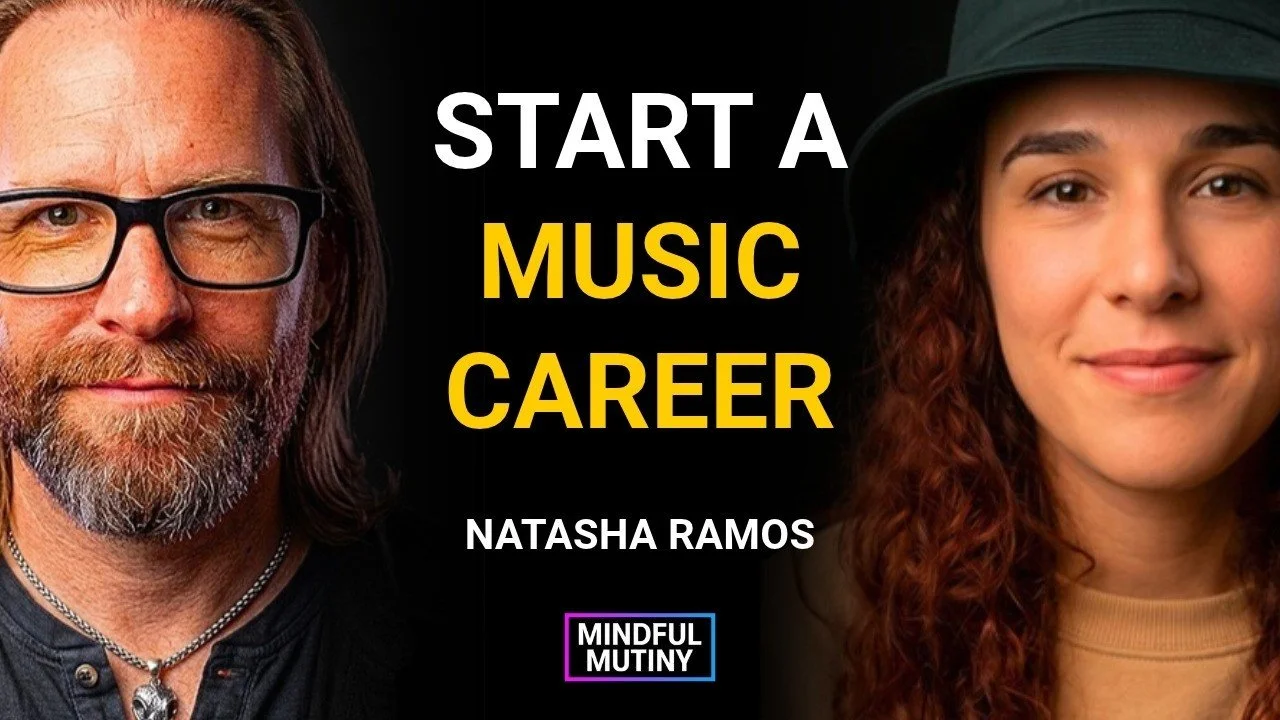
Music Careers: How to Start Without Connections or a Degree
Music careers can start without a degree, a label or industry connections, says singer Natasha Ramos. She gave up music after she could not afford her dream school, then returned to it years later and built an urban Latin career with a small team. In this conversation with Jeremy Van Wert, she explains what brought her back and what she tells young singers.
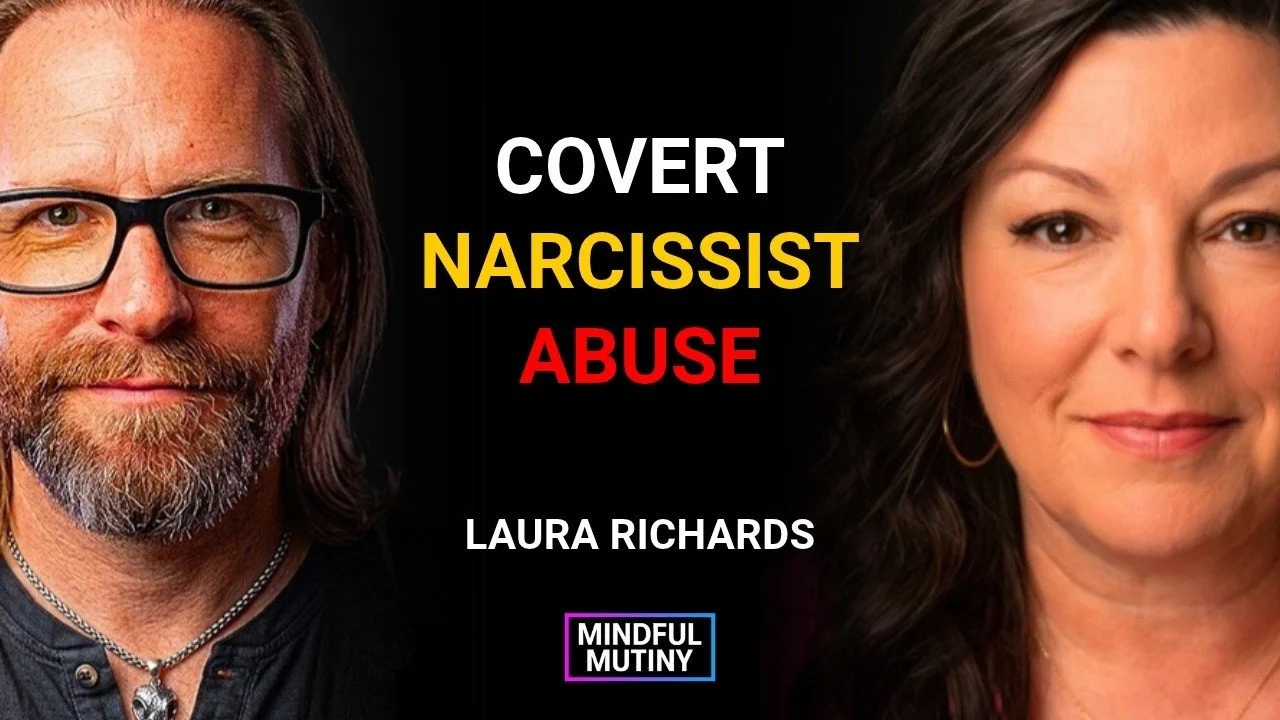
Love Bombing Explained: Covert Narcissism Warning Signs
Love bombing explained: it is intense early praise and attention that can later give way to control, according to Laura Richards, who describes a 32-year marriage to a covertly narcissistic man. In this conversation with Jeremy Van Wert, she shares how love bombing, gaslighting, moving goalposts and DARVO felt from the inside, and what helped her find her voice.
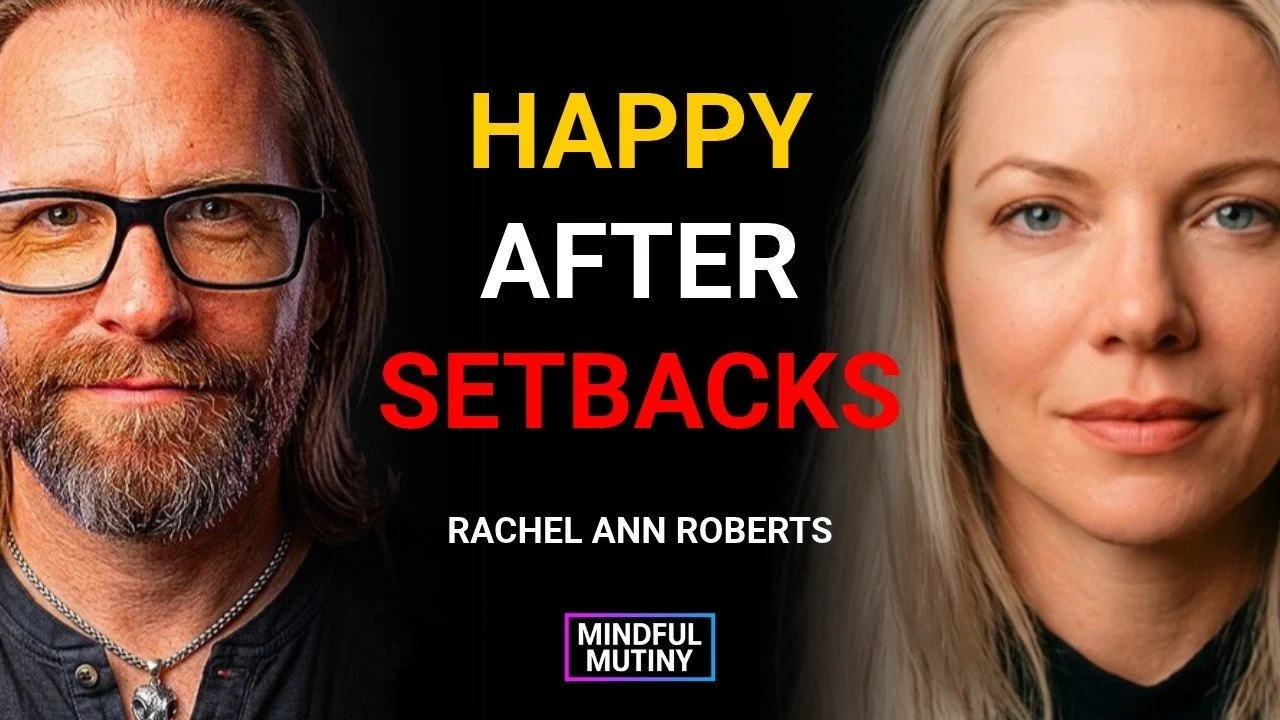
Resilience After Setbacks: Reinvent Yourself and Say Yes
Resilience, according to Rachel Ann Roberts, is a habit of asking what the worst that could happen really is, and then moving forward one step at a time. In this conversation with Jeremy Van Wert, the creator of Coffee Talk explains how she handled three floods, reinvented herself online and learned to say yes to opportunities before feeling ready.

Late ADHD Diagnosis: Masking, Overachieving and Finding Answers
A late ADHD diagnosis can feel like an answer and a loss at the same time. In this conversation, business consultant Kae Ricketts tells Jeremy Van Wert how she masked and overachieved through school, was diagnosed with ADHD at 30 and received an autism diagnosis years later. She describes the grief, the isolation and the way she now talks about her needs.
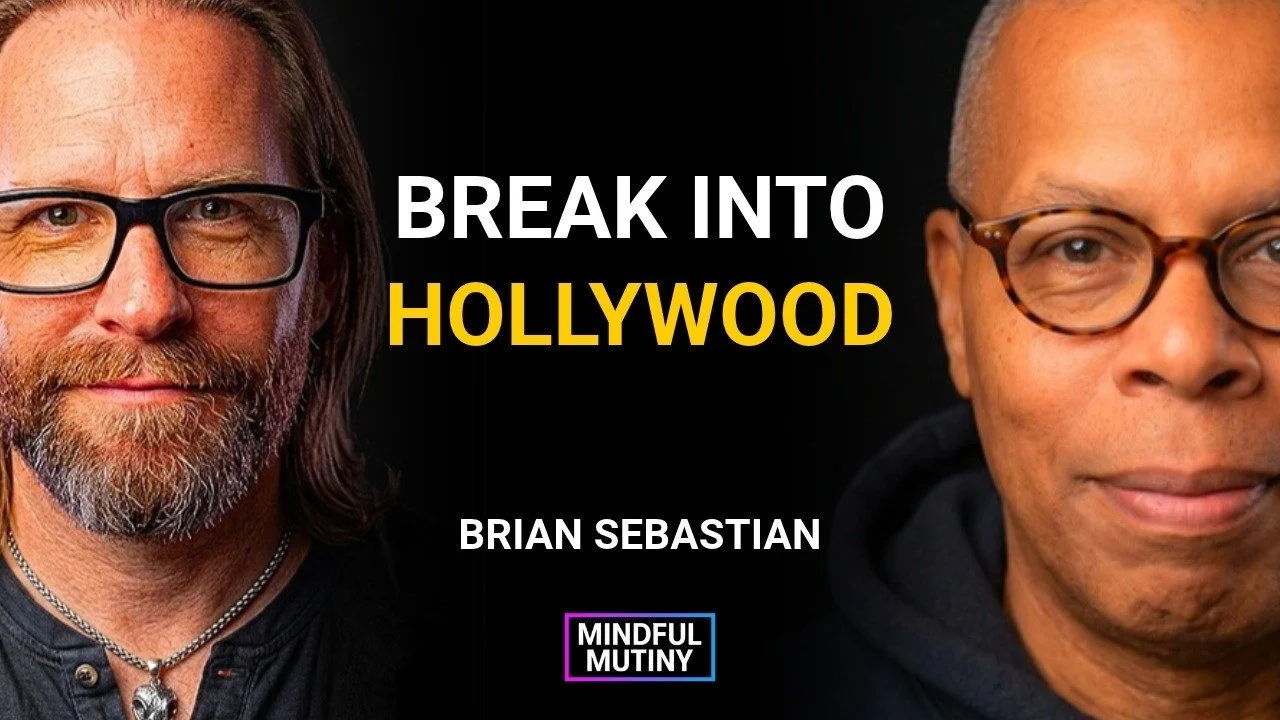
How to Break Into Entertainment: Consistency and the Back Door
How do you break into entertainment when nobody hands you a roadmap? Brian Sebastian, host of Movie Reviews and More, tells Jeremy Van Wert how a drum and bugle corps mindset, a volunteer stint in radio and a one-way flight to Los Angeles led to interviewing film and music stars. His one-word answer is consistency.
Get Comfortable Being Uncomfortable: Lessons From a Former SEAL
To get comfortable being uncomfortable is, for former Navy SEAL Christopher Lee Maher, the biggest lesson of SEAL training. He tells Jeremy Van Wert how pushing his body to its limits left him in pain, why he came to see self-forgiveness and self-care as the turning point, and how he learned that choosing comfort can be a strength too.
Career Change After Burnout: A Musician's Path to Work He Loves
A career change often starts with a job that does not fit. In this episode, musician and marketing consultant Derek Frank tells Jeremy Van Wert how a propane job, touring burnout and a toxic workplace pushed him toward work that matches his values, including inventing a harmonica and helping launch a free teen tech center.
Love Bombing Signs: How Manipulation Can Begin With Warmth
Love bombing signs can look like devotion: intense warmth, special treatment and lavish gestures at the start of a relationship. Natasha June, a podcast producer and host of Trauma Undone, tells Jeremy Van Wert how that warmth slowly turned into put-downs, why she kept making excuses, and how a gaslighting checklist at a domestic violence center changed how she saw her marriage.
Med School at 32: A Single Mother's Path to Child Psychiatry
Going to med school at 32 can feel like a door that has already closed. For Dr. Lally Pia, then a single mother working in a donated body program, it started with a colleague's question, a rejection and a second try. She tells Jeremy Van Wert how she nearly quit, finished over six years and became a child and adolescent psychiatrist.
Lyme Disease Patient Stories: One Runner's Fight for Answers
Lyme disease patient stories often involve years of searching for answers, and AC Bourne's is one of them. A former Nike-sponsored runner, she tells Jeremy Van Wert about a tick bite in 2002, roughly 40 doctors, years of antibiotics and a wheelchair. She describes what she tried next, why she says remission instead of cure, and how she turned the story into a way to help others.
IQ EQ GQ Explained: The Happiness Formula Born After Rock Bottom
IQ EQ GQ is the three-part framework in Cassandra Vitaka Mitchell's book The Happiness Formula: what you know, how you feel and act, and what you believe. A Stanford graduate and former teacher of Jeremy Van Wert, she explains how a hard childhood, a decade of darkness and a turning point led her to build it, and why she says feelings are flags, not facts.
Catholicism and Psychedelics: Can Faith and Plant Medicine Coexist?
Catholicism and psychedelics can seem like opposites, but Dr. Andrew Del Rossi, who directs a spirituality and retreat center at a Catholic abbey, says faith and plant medicine can meet when a person arrives with a foundation, an intention and humility. In this first public conversation on the subject, he tells Jeremy Van Wert how his experiences deepened his sense of Christ.
Starting a Business From a Passion: How a Parade Producer Did It
Starting a business from a passion worked for Ray Pulver, who turned years of volunteering on a hometown parade into Upbeat Parade Productions in San Jose, California. His company now works with 23 parades from Portland to Palm Springs and Las Vegas. He tells his friend Jeremy Van Wert how networking, trust and a positive habit of mind built it.
Motorcycle Accident Survivor Stories: Waking Up Blind After a Coma
Among motorcycle accident survivor stories, Kijuan Amey's stands out for what came after the crash. On May 5, 2017, a car pulled out in front of the Air Force boom operator, and he woke a month later from a medically induced coma unable to see or speak. He tells Jeremy Van Wert how faith, humor and forgiveness shaped his recovery.
Raising Your Frequency: A Healer's View of Pure Source and Spirits
Raising your frequency, as Dr. Heather Bird describes it, starts with finding what she calls pure source and then spending a few quiet minutes with your best possible self. Dr. Bird, an acupuncturist who also does what she calls spirit and frequency healing, explains her view to Jeremy Van Wert. This is one practitioner's spiritual worldview, not medical advice.
Psychedelic Therapy and Alcohol: A Chemist's Healing Story
Psychedelic therapy, in Chris Becker's experience, worked best as a slow process that began with ordinary talk therapy. A retired chemist with a PhD from UC Berkeley, he tells Jeremy Van Wert how drinking to numb childhood pain gave way, over about a year and a half, to feeling his emotions again and losing interest in alcohol.
Spiritual Confidence: What It Means and How to Build It
Spiritual confidence, in the words of author Zeus Yiamouyiannis, means to trust with spirit: to build your sense of worth on your own inner genius instead of a job title. He tells Jeremy Van Wert why he believes the industrial "grid" is breaking down, and offers a way forward made of small courage steps, time for contemplation and living for the value of a thing itself.
Norse Spirituality: A Christian Chaplain's Path to Odin
Norse spirituality, as Mark Weisman describes it, is a path of feeling and honor rather than rules. A former Christian chaplain who now follows Odin and is called a Norse shaman by others, Mark tells Jeremy Van Wert why he left the church, how he connected with his Danish ancestry and what he teaches veterans and others.
Financial Freedom Meaning: Why Money Is Really Time
Financial freedom, as Jim Tabuchi defines it, means measuring your wealth in months of living expenses instead of in possessions: money is time. After 18 years in high tech, he retired from Hewlett-Packard at 42 to mentor and create social impact, and he tells Jeremy Van Wert how a funeral exercise, family history and a clear mission shaped every decision.
Healing Generational Trauma: Patterns, Wealth and the Timeless Self
Healing generational trauma, in Masati's view, means looking at the foundation of a life instead of repairing the house. In this live Mindful Mutiny event, he explains how he believes inherited family patterns shape wealth, love and success, and what he calls sacrificing backwards. These are one person's beliefs, not science or medical advice.